Marketing 2025: trends and changes to get ready for
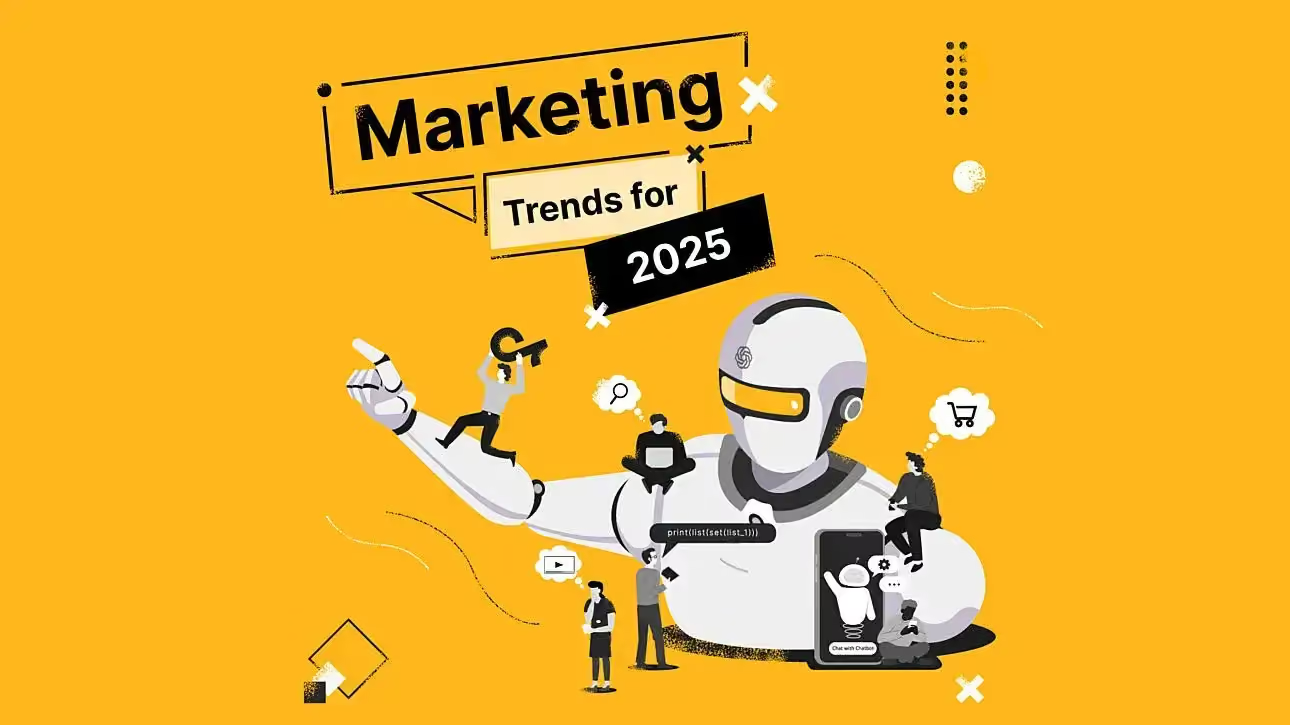
Marketing is undergoing radical change, driven by technological innovation and shifting consumer expectations. Here is a closer look at the trends that will shape the future of the sector by 2025.
1. AI-driven personalisation
Personalisation will reach levels never seen before thanks to AI. Platforms will analyse behaviour, preferences and interactions in real time to deliver content, products and messages that are perfectly tailored.
- Examples:
- Advanced recommendation systems such as those used by Netflix and Amazon.
- Email marketing with dynamic offers that change based on the user's recent habits.
Companies that invest in AI will be able to create hyper-personalised experiences, building customer loyalty with targeted solutions and an unprecedented level of service.
2. The decline of third-party cookies and the rise of first-party data
With the end of third-party cookies, access to data will become limited. Companies will need to focus on first-party data, meaning data collected directly from consumers through interactions such as newsletter sign-ups, feedback and loyalty programmes.
- Key strategies:
- Incentivising users with valuable content, such as ebooks or exclusive webinars.
- Improving transparency in how data is collected and managed in order to build trust.
Companies that manage to obtain and use data responsibly will gain a competitive advantage.
3. The rise of the metaverse and new immersive opportunities
The metaverse will establish itself as a new frontier for marketing, combining virtual and augmented reality to create immersive experiences. Brands will be able to build virtual showrooms, launch products through digital events and even sell virtual goods.
- What to expect:
- Interactive advertising integrated into virtual worlds.
- Collaborations with metaverse influencers.
- Exclusive events for users accessing via VR headsets.
Investing in the metaverse will be key to engaging younger generations.
4. The power of conversational marketing
Users expect immediate, personalised responses. Conversational marketing, based on advanced chatbots and virtual assistants, will become a cornerstone for improving the customer experience.
- New applications:
- Live chat integrated into company websites for real-time support.
- Direct messages on WhatsApp, Instagram and Messenger for promotions and updates.
These interactions will increase customer loyalty and shorten conversion times.
5. Sustainability as a pillar of marketing
Consumers will pay increasing attention to the environmental and ethical impact of their choices. Companies will need to demonstrate their commitment to sustainable practices through concrete action.
- Successful examples:
- Eco-friendly packaging and recycling programmes.
- Transparency around production and logistics.
Brands that integrate sustainability into their marketing strategies will earn the trust of demanding customers.
6. The dominance of video content and livestreaming
Platforms such as TikTok, YouTube Shorts and Instagram Reels will continue to dominate the content landscape. Short videos and livestreaming will be essential for engaging audiences in an authentic, direct way.
- What works best:
- Behind-the-scenes content, tutorials and live product presentations.
- Collaborations with creators to reach wider audiences.
Video storytelling will become an essential component of every strategy.
Preparing for the marketing of the future
To tackle 2025, companies will need to adapt quickly, investing in technologies such as AI, the metaverse and responsible data strategies. At the same time, it is essential to maintain an ethical, sustainable approach and build solid relationships with customers.
The marketing of the future will be more human, interactive and experience-driven, with technological innovation guiding every aspect of it. Those who act now will be ready to reap the rewards of a changing landscape.