How to write an effective promotional newsletter: a guide for businesses
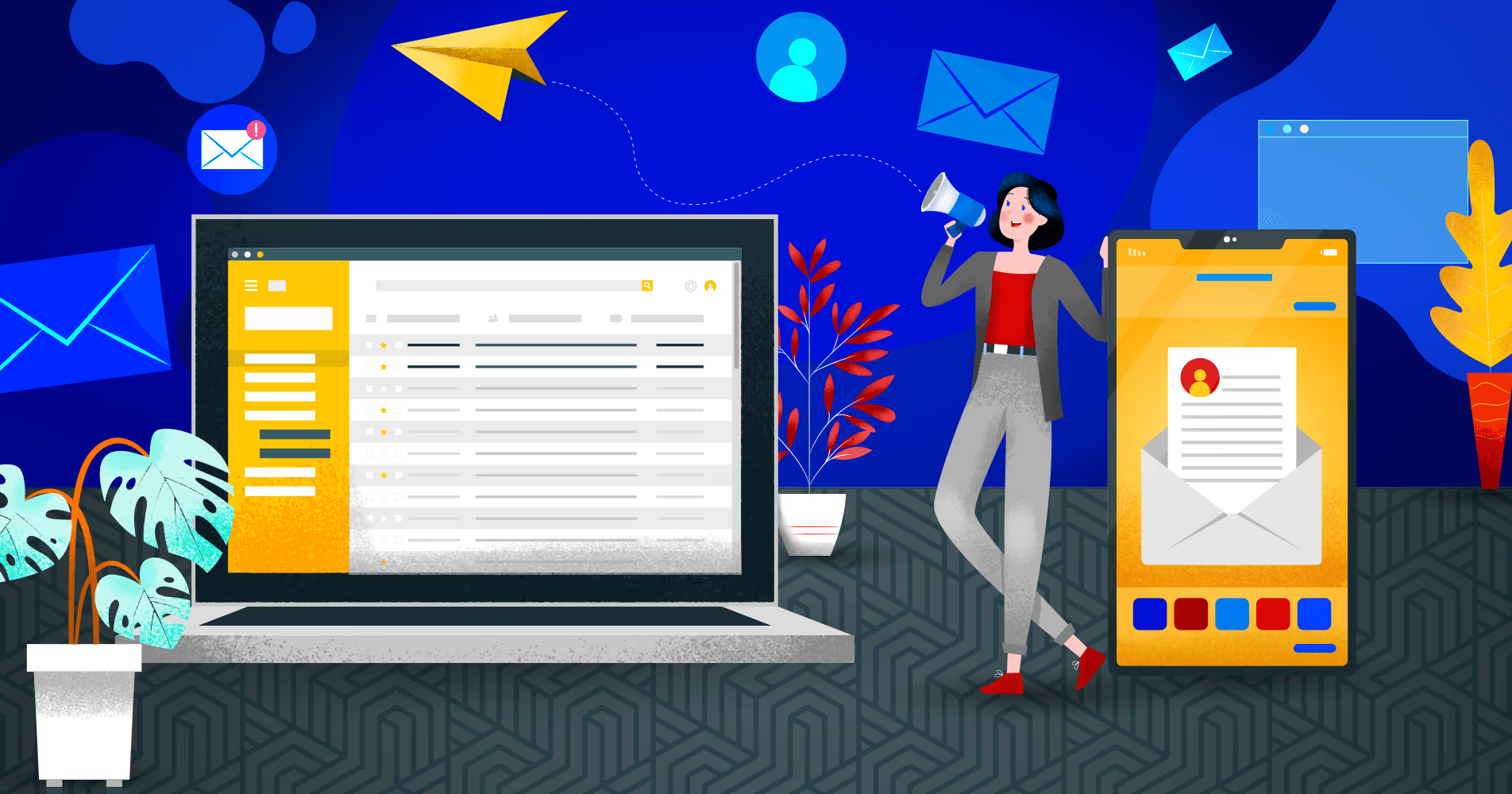
The promotional newsletter is one of the most powerful tools businesses have for staying in touch with their customers and promoting products or services in a targeted way. If well structured, it can help generate sales, improve conversion rates and strengthen the relationship with your audience. However, to achieve these results, you need to know how to write a newsletter that is effective, engaging and professional.
1. Define the goal of the newsletter
Before writing a single line, it's essential to be clear about the goal of your promotional newsletter. What do you want to achieve? Do you want to promote a new product, launch a special offer, or invite customers to an event?
- Focus: every newsletter should have just one main goal. Avoid overloading the reader with too much information or too many calls to action. Keep a clear, direct focus so as not to confuse the recipient.
Examples of goals might include:
- Introducing a new product.
- Promoting a discount or a limited-time offer.
- Inviting customers to take part in an event.
- Gathering feedback or inviting reviews.
2. Create an engaging subject line
Your newsletter's subject line is the first thing recipients see in their inbox, and it's the deciding factor in whether they open the email or not. For this reason, it's essential that it's compelling and sparks the reader's curiosity or interest.
- Be clear and direct: the subject line must reflect the content of the newsletter. Avoid vague or overly generic phrases. Make sure the reader immediately understands the value they'll get from opening the email.
- Create urgency or curiosity: phrases such as "Offer valid for 24 hours only" or "Discover our new exclusive product" can increase the open rate.
- Personalisation: using the recipient's name in the subject line can improve engagement. Personalised emails feel as though they were written for that individual customer, which makes them more likely to be opened.
Examples of effective subject lines:
- "Today only: 20% off all products!"
- "Maria, discover our new autumn collection!"
- "Last items left, hurry!"
3. Structure the content clearly
Once the recipient has opened the email, the content needs to be clear, concise and well structured. Users spend very little time reading emails, so you need to grab their attention immediately.
- Short introduction: the first part of the newsletter should be a clear, brief introduction that immediately explains what the email is about and what the main offer or message is. For example, you could start with: "We have a surprise for you: this week only you can get 25% off all our items!"
- Subheadings and short paragraphs: using subheadings to break the text into sections makes the newsletter easier to read. Keep paragraphs short and direct so you don't lose the reader's attention.
- Bullet points: if you're presenting a series of offers or benefits, use bullet points to make the content visually leaner and easier to read.
4. Create a strong call to action
The call to action (CTA) is one of the most important parts of the promotional newsletter. This is where you ask recipients to take a specific action, whether that's buying a product, signing up for an event or visiting your website.
- Clear and visible: the CTA needs to be visually obvious (use coloured buttons or clearly visible links) and the text must be direct and persuasive. Avoid generic phrases like "Click here" and focus on wording that spells out the benefit to the customer, such as "Get the discount now" or "Find out more".
- Strategic placement: include the CTA both near the top and near the bottom of the email. This lets readers in a hurry act straight away, while more attentive readers can find the button after reading all the details.
Examples of CTAs:
- "Buy now with 30% off"
- "Sign up now for the free webinar"
- "Find out about the exclusive offer"
5. Use high-quality images
Images can be a key element in making your newsletter visually appealing and getting the promotional message across instantly. However, it's important not to overload the email with too many graphic elements.
- Relevant images: use high-quality images that are relevant to the promotion. If you're promoting a product, show appealing images of the product itself. If you're launching a seasonal offer, you can use images that evoke that time of year.
- Balance images and text: make sure images don't overwhelm the text. The email should be balanced and easy to read even if the images don't load automatically for the recipient.
6. Segment your audience
One of the most effective strategies for increasing the open and conversion rate of promotional newsletters is audience segmentation. Not all customers are interested in the same type of promotion, so it's important to send targeted emails based on their behaviour, interests or past purchases.
- Segmentation by interest: if you have a large customer base, you can segment emails based on interests or buying habits. For example, send offers on sports products to customers who have bought sports items in the past, and offers on clothing to customers interested in fashion.
- Personalised offers: segmentation allows you to create personalised offers, which make customers more likely to respond positively to the promotion.
7. Optimise for mobile devices
Today most people read emails on their smartphone. It's therefore essential that your newsletter is fully responsive and adapts perfectly to mobile devices.
- Mobile-friendly design: make sure the email layout automatically adapts to screens of different sizes and that buttons are large enough to be easily tapped on smartphones and tablets.
- Test on different devices: before sending the newsletter, test the email on different devices and email clients (Gmail, Outlook, iPhone, Android) to make sure everything works correctly.
8. Add elements of urgency
Limited-time offers and promotions that convey a sense of urgency can significantly increase your newsletter's conversion rate. People are more likely to act if they know a special offer is about to expire or that products are in limited quantity.
- Countdown: add a timer counting down the days or hours remaining until the offer expires.
- Limited quantity: phrases such as "Only 10 left" or "Limited availability" can push customers to buy straight away so they don't miss out.
9. Analyse the results and optimise
Finally, after sending your newsletter, it's important to monitor the results and analyse the data. This will help you understand what worked and what can be improved in future campaigns.
- Monitor the open rate: look at which subject lines had the highest open rates to understand what appeals most to your audience.
- Analyse the click-through rate: study which CTAs received the most clicks and which visual elements worked best.
- A/B testing: run A/B tests on various aspects of the newsletter (subject line, CTA, layout) to optimise results over time.
Conclusion
Writing an effective promotional newsletter takes planning, creativity and close attention to detail. Clearly defining the goal, creating engaging content and using relevant images are just some of the key steps to getting results. Segmenting your audience, adding urgency and constantly monitoring performance will help you optimise your newsletters and turn readers into customers.