Pop-ups: tips for launching a store or restaurant.
Pop-ups are an effective tool for capturing the attention of your website visitors and encouraging specific actions, such as newsletter sign-ups, special offers or purchase prompts, right at the moment when the user is most engaged. Used wisely, pop-ups can improve conversions, engagement and the overall performance of your e-commerce site or company website, without feeling intrusive. Here you'll find practical tips for launching well-designed pop-ups, along with examples and ways to measure results.
The offer is limited in time
Pop-ups are shops and restaurants that open for a short period of time: they appear and disappear quickly, or move on elsewhere. Businesses or catering companies rent spaces for a limited period to offer their products and services. The duration of pop-ups varies: six months, a few months, a few weeks, or just a few days. These pop-up shops or restaurants can be very appealing to customers, since the offer is only available for a short time, making it exclusive and unique. As a result, pop-ups are often very crowded, as people don't want to miss out on anything. This is where the concept of “fear of missing out” (FOMO) comes from, describing this phenomenon.
Temporary uses
In recent years, the concept of the pop-up store, pop-up shop, pop-up restaurant, or simply “pop-up”, has caught on in major cities like London and Berlin, but also in Switzerland. This business idea is based on the temporary use of vacant properties or unusual locations, such as disused petrol stations, making it the ideal solution for SMEs and large companies across a wide range of sectors and purposes.
Food pop-ups
Every autumn, a small local business regularly presents an exclusive range of chestnut-based products in a temporary shop. This small company is constantly looking for a location to display and sell its delicacies and to let customers taste them directly at the counter. Thanks to this approach, more and more people are discovering this temporary shop offering chestnut-based products.
Clothing pop-ups
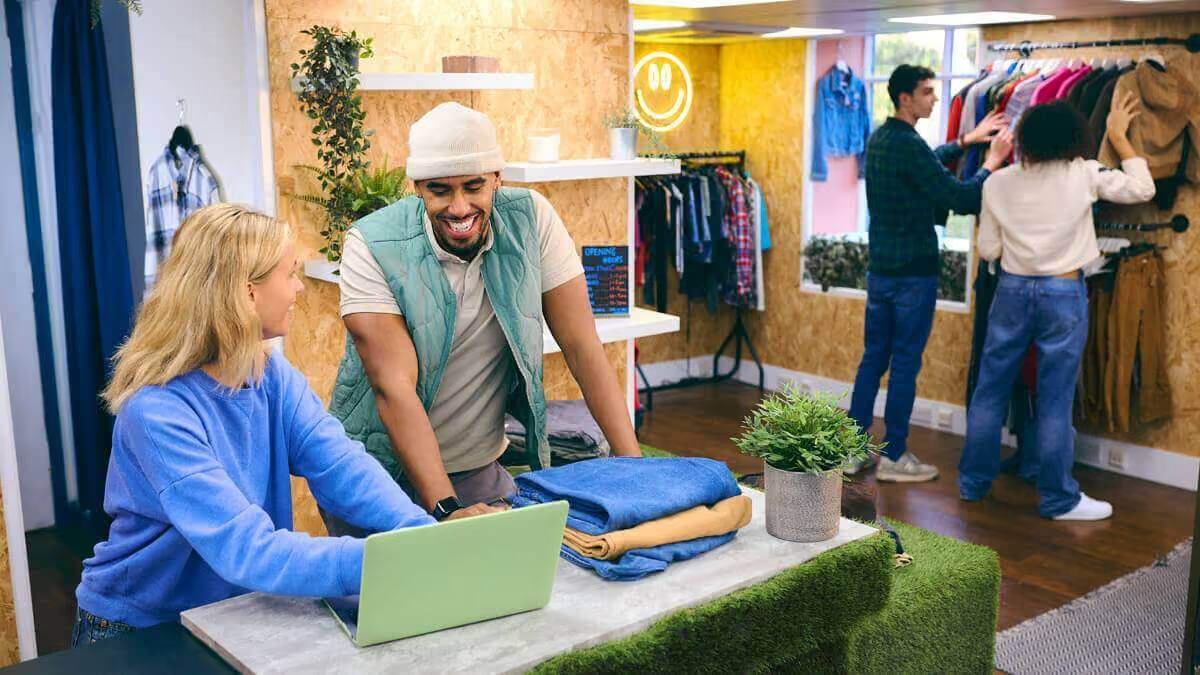
The brand of an international clothing chain not yet present in Switzerland could be showcased temporarily for six months in the country's major cities, such as Zurich, Bern or Basel, in a vacant shop in a strategic location. This initiative would let the group assess the sales potential of the Swiss market.
Furniture pop-ups
The family-run furniture company, which has two city locations, runs a temporary shop in a ski resort during the winter season, giving owners of second homes the chance to view and buy furniture directly on site.
Restaurant pop-ups
A major catering company is currently trying out a new communal-dining concept in a disused industrial warehouse that will soon be refurbished, creating a unique atmosphere.
Jewellery and design pop-ups
The designer has created an exclusive collection of jewellery featuring Swiss crystals and is showcasing it in a small temporary shop near the tourist office. This lets her gauge visitors' reactions to her creations. Her future goal is to distribute her jewellery in other tourist destinations across the country.
An opportunity to clear surplus stock
Opening a pop-up store is also a great opportunity to sell off surplus stock, freeing up warehouse space.
A practical guide to a successful pop-up in six steps
Even if it's already clear from the presentation and atmosphere that it's a temporary shop or restaurant, it's always worth planning and carrying out your pop-up carefully. These tips can help you bring your project to a successful conclusion. It's essential to bear in mind that every pop-up is unique, and that each individual strategy needs to align with its own objectives. You should therefore assess the situation at every step and adjust the list of stages described below accordingly.
Purpose and objectives
It's essential to clearly define your pop-up's objectives. Are you trying to launch new products or ideas to raise your brand's visibility, gather customer feedback, or reach a specific target group? You also need to decide which products you want to offer, their price, and how you intend to stand out from the competition with your offering.
Budget
You need to prepare a detailed budget for your temporary shop that includes all the costs relating to rent, fit-out, staff, marketing, insurance and other expenses. This budget needs to be realistic and allow you to achieve your set objectives. Costs, which can vary considerably depending on location, shop size and the furnishings chosen, include for example:
- monthly rent for the premises
- shop fit-out
- inventory (shelving, furniture, etc.)
- electrical installation
- lighting
- decoration
- marketing and advertising
- storage and logistics
- staff costs
You also need to set the KPIs (key performance indicators) that will let you assess the pop-up's results, such as revenue, number of customers, average basket value, customer feedback and brand awareness.
Timing
The time needed to set up a pop-up depends on several factors, such as the lease agreement, the desired fit-out (shopfitting, installing a kitchen, etc.), the required permits, and the necessary infrastructure (power lines, etc.). It's essential to plan a timeline that takes into account all the main stages and activities up to the pop-up's opening and for the duration of its operation. You should also factor in any lead times for permits or deliveries.
Location
Temporary shops can be set up in various locations, such as commercial premises earmarked for temporary use, covered courtyards, spaces previously used for other purposes (production warehouses, cinemas, garages, petrol stations, etc.), or venues used for different purposes depending on the season (an ice-cream parlour that turns into a mulled-wine bar in winter, a restaurant serving fondue in the winter months that becomes a temporary shop specialising in light vegetarian dishes in summer, etc.). It's important to carefully assess the possible sites available, by answering the following questions (the list isn't exhaustive):
- Is the chosen location suited to attracting passing trade?
- Does your target group frequent this area?
- Does the area where the pop-up is located provide the right context for your offering?
- How do you rate the competition?
- Is the location easily accessible?
- Is it well connected to public transport?
- Is parking available?
- Do the costs (including incidental costs) fit within your budget?
- Does the location have the necessary infrastructure, or can it be fitted with it later at an affordable cost?
- Can the location be fitted out so that the shop layout, product display, lighting and atmosphere meet your requirements?
- Does the location's potential depend on seasonal trends?
- Is the space the right size and bright enough?
- Is the layout of the premises suitable for your project?
- Does the premises also have outdoor space you can use?
- Could opening the pop-up disturb people living nearby?
It's essential to stay alert at all times: you might come across a suitable pop-up location in your own town while out for a walk, or hear about a property available for temporary use from suppliers, business partners or colleagues. There are also specialist platforms, such as popupshops.com, that gather information on available pop-ups and let you search for temporary spaces in different cities.
Administrative and operational planning
Make sure that all the procedures before and after the pop-up's opening run smoothly. Do you need a permit for the pop-up? Check whether a permit is required to open it and, if so, go ahead with the application. General information on permits for running commercial activities in Switzerland is available on the Canton of Zurich's website.
Regulations for pop-up restaurants vary from canton to canton in Switzerland. Each canton has specific provisions for the catering sector, so you need to check local laws for detailed information. Some cantons require special permits for pop-up restaurants, such as a restaurateur's licence or an operating permit. It's important to bear in mind that almost all cantons require a hygiene plan (HACCP plan), and that further information can be obtained by contacting the cantonal food inspectorate.
All the operational aspects of your pop-up need to be carefully planned. It's important to consider who provides power and other necessary infrastructure, to comply with local regulations, and to make sure you have the equipment you need.
Marketing
It's essential to create an effective marketing strategy to promote your pop-up and attract customers. There are various options available for increasing your pop-up's visibility. Below, we present some of them.
Social media
Use social media such as TikTok, Facebook, Instagram, X and LinkedIn to announce the pop-up's opening. Share videos and images that spark interest among your audience. Create and use a specific hashtag for your pop-up and encourage customers to use it when sharing a social media post about it.
Email marketing
Send emails to your customers. Offers and promotions are effective tools for attracting more people.
Local advertising
Place ads in local newspapers and magazines or on online platforms to promote the opening in the area.
Flyers
Hand out flyers near the pop-up's location to catch the interest of passers-by (please obtain prior authorisation).
Online advertising
Place ads online using Google Ads, Facebook Ads or other advertising networks to reach your target audience
In-store advertising
If you already have a physical shop, you can promote your pop-up directly within your point of sale
Cooperation
Start building partnerships with influencers, local businesses and catering companies, and ask them to promote your project through their social media or newsletters, or to hand out flyers
Media outreach
Invite journalists to your pop-up's opening. Journalists are always interested in covering new openings, especially in the food and drink sector
The main benefits and drawbacks of a pop-up are as follows
Benefits
- Low rental costs for temporary use of the property
- Greater visibility leading to more attention
- An exclusive shopping and dining experience
Drawbacks
- Limited duration
- Significant commitment required
- Risk of failure
Conclusion
Pop-ups are a powerful communication and conversion tool when designed with care for the user's context, the relevance of the message and the right moment to trigger it. Choosing the type of pop-up best suited to your needs (offers, sign-ups, welcome messages or seasonal promotions) can increase interactions and turn visitors into customers.
If you'd like support creating, optimising or managing pop-ups, or setting up the payment solutions best suited to your site, get in touch: we can set up the pop-ups and measure what changes in your conversions.