Is your business really digital? Software, website, e-commerce and processes

Many SME owners would answer yes straight away: they have a website, they use invoicing software, perhaps they even sell online. Yet a closer look often reveals a different picture: data copied by hand from one system to another, a website nobody has updated for months, an online shop linked to the warehouse only in the head of the person who runs it. Having digital tools and actually working digitally are two different things, and the difference shows above all in the day-to-day details.
Does the software you use save time, or take it up?
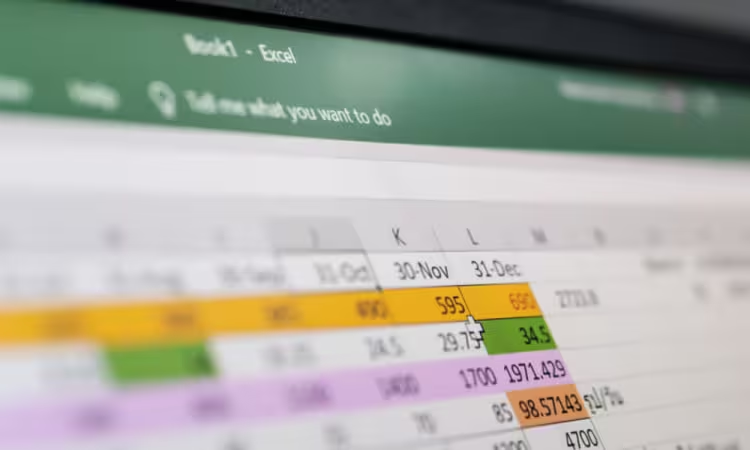
Management software, an invoicing programme or a CRM should reduce manual work, not move it somewhere else. If every invoice still has to be checked by hand, if customer data also lives in a parallel Excel sheet "just in case", or if nobody in the company actually uses all the software's features because "it's quicker our way", the tool is there but it is not doing its job.
Does your website describe the business as it is today, or as it was a few years ago?
A website that is online is not the same as a website that is up to date. If the services described are no longer the current ones, if prices or contact details have changed without the site reflecting it, or if the last edit predates the company's most recent hire, the website is working more like a fixed nameplate than a working tool. We covered this in the article your website is old: do you really have to rebuild it from scratch?, where the problem was often the gap between the site and what the business had become in the meantime, more than the site's age.
Is your online shop connected to everything else, or is it an island?
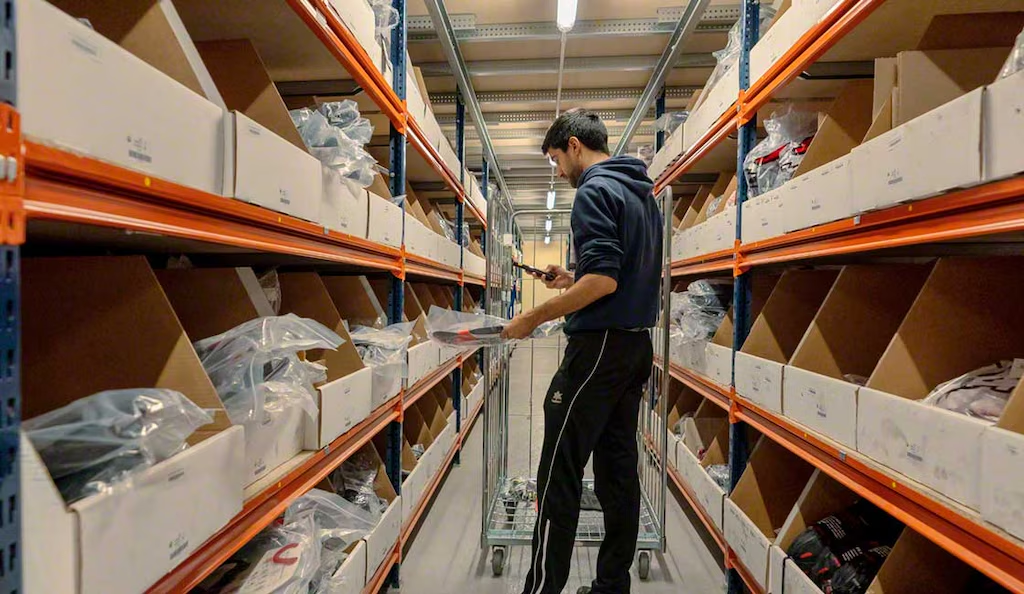
Having an online shop is one thing; having e-commerce integrated with stock, accounting and order management is another. If every online sale still needs a manual check to find out whether the product is really available, or if sales data from the online shop never makes it into the company's general accounts, the e-commerce site is working as an isolated channel rather than as part of a coherent digital system.
Are your processes digital, or just the documents that describe them?
A common mistake is to confuse digitising documents with digitising processes. Having a PDF instead of a printed sheet does not change the underlying process if that PDF is still printed, signed by hand and then scanned again. A truly digital process removes unnecessary steps instead of simply moving them onto a screen.
Signs that digitalisation has stopped halfway
Some signs come up again and again in businesses that have adopted digital tools without really completing the journey: the same data is entered several times into different systems, nobody knows for certain where the latest version of a document is, decisions are based on figures gathered by hand rather than on automatically generated reports, and every new tool introduced seems to add a step instead of removing one.
Why half-finished digitalisation costs more than none at all
A business that has digitised nothing at least knows it has everything still to do. A business that is only halfway there often believes it has already solved the problem, and so stops investing time in it, while it keeps paying the hidden cost of systems that do not talk to each other: hours spent reconciling data that should already match, avoidable transcription errors, decisions taken on out-of-date information.
How to build a digital ecosystem that works
Digitalisation that works does not come from buying more tools, but from connecting the right ones, starting from the company's real processes rather than the trends of the moment. We discussed this at greater length in the article SME digitalisation: how to build a digital ecosystem without making life complicated, which goes step by step through processes, software, documents, administration, website, e-commerce and security as a single coherent system rather than as separate purchases.
How we help you work out where you stand
Before suggesting any new tool, we use our smart business consulting service to check how the company's processes really work, where data gets stuck or duplicated, and which of the tools already in use are genuinely helping rather than just existing on paper. From there we build or fix whatever is needed: the website with our Websites service, and the e-commerce site or the integration between existing systems with our Hosting and IT support service.
If you are not sure whether your business is really digital or just equipped with a few extra tools, get in touch: we will carry out an honest check together, without assuming you have a problem you may not have, and without hiding the one that is there.