Business passwords: why “123456” is still the number one problem
In 2026, despite advances in technology and growing investment in cybersecurity, weak passwords remain one of the main causes of security breaches at SMEs. “123456”, “password”, the company name or the name of a pet are still used every day in professional settings, exposing sensitive data, customers and entire business systems to enormous risks.
Many business owners think cyberattacks only hit large companies or multinationals. In reality, SMEs are often the preferred target, because they have fewer defences and a less structured security culture. And the way in is almost always a poorly managed password.
Why passwords are still such a widespread problem
The problem is technical, but above all it is organisational and cultural. At SMEs it is common to find:
- passwords shared between several employees
- credentials that have not been changed in years
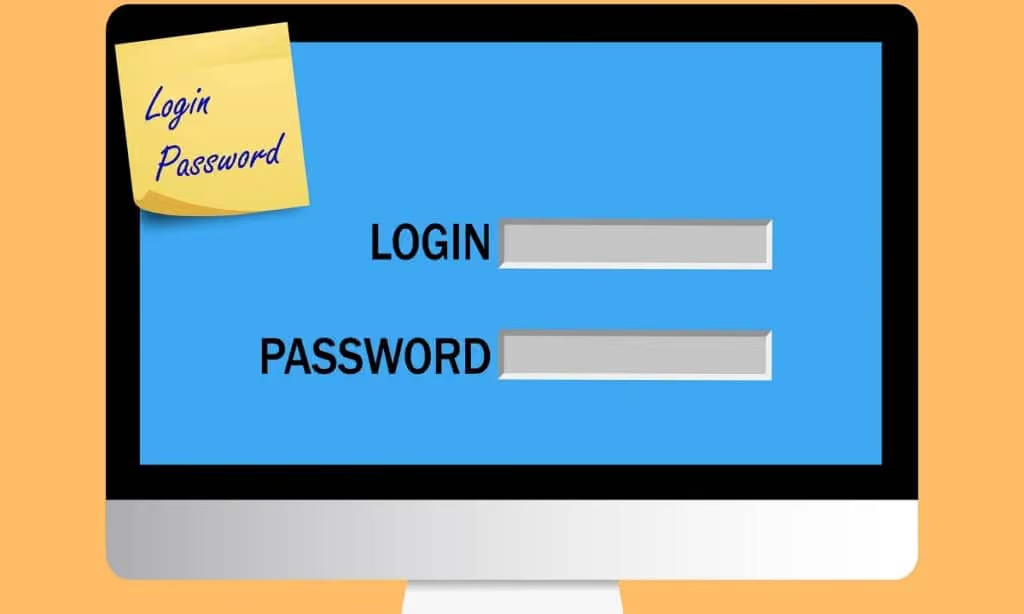
- Excel sheets or Post-it notes with passwords written on them
- accounts still active for former staff
On top of this comes the habit of reusing the same password across several services: email, CRM, cloud, e-commerce, accounting. A single breach is enough to compromise the company’s entire digital ecosystem.
Many business owners think cyberattacks only hit large companies or multinationals. In reality, SMEs are often the preferred target, because they have fewer defences and a less structured security culture. And the way in is almost always a poorly managed password.
The most common password management mistakes at SMEs
These are the mistakes we come across most often:
Simple or predictable passwords
Short passwords, without special characters or based on personal information, are easy to guess or crack with automated attacks.
Reusing the same credentials
Using the same password for several services multiplies the risk: if one service is compromised, all the others become vulnerable.
Uncontrolled sharing
Sharing passwords by email, WhatsApp or word of mouth removes any traceability and control over access.
Failing to revoke access
Employees who change role or leave the company often keep active accounts, creating serious security gaps.
Password managers: the foundation of modern security
Today every business needs a company password manager. It lets you:
- generate long, complex and unique passwords
- store credentials in encrypted form
- share access securely, in a way that can be revoked
- spare employees from having to “remember everything”
In practical terms, password managers increase security and make work simpler, reducing IT support requests and human error.
For Swiss SMEs, they are also a concrete step towards compliance with the FADP and the GDPR, which require appropriate technical measures to protect personal data.
MFA: the second factor that blocks stolen logins
Even the strongest password is no longer enough on its own. That is why MFA (multi-factor authentication) has become a security standard.
MFA adds a second level of verification, for example:
- a temporary code in an app
- SMS (less secure, but better than nothing)
- a physical security key
- biometrics
This means that even if a password is stolen, the attacker cannot get in without the second factor. Statistics show that MFA can block over 90% of attacks based on compromised credentials.
Passwords and legal obligations in Switzerland
The Federal Act on Data Protection (FADP) and the GDPR do not prescribe specific tools, but they do require companies to adopt security measures appropriate to the risk.
In the event of a breach, weak passwords or insecure practices may be considered negligence, with consequences that include:
- administrative penalties
- an obligation to report the breach
- reputational damage
- loss of customer trust
Investing in proper password management costs far less than dealing with a breach.
easy4you’s role in securing access
easy4you helps Swiss SMEs define and implement a complete password management strategy, which includes:
- an analysis of the current situation
- choosing the most suitable tools
- setting up password managers and MFA
- defining clear company policies
- practical training for employees
Security is technology, but it is also organisation, awareness and continuity.
Conclusion
Business passwords remain one of the weakest points in IT security, but also one of the easiest to improve. Dropping “123456” and adopting password managers and MFA reduces the risks dramatically without making everyday work more complicated.
Want to know whether password management at your SME is really secure or whether there are still weak spots? Contact easy4you for a free consultation and secure access to your company data.