Black Friday: how to prepare your business, with strategies and practical tips
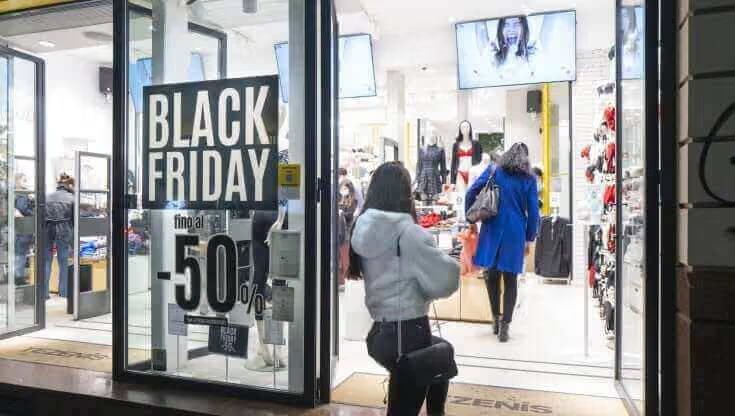
Black Friday has become one of the most important retail moments of the year, for consumers and businesses alike. It gives companies in every sector the chance to increase sales, attract new customers and raise their profile in the market. To make the most of the event, however, you need to prepare carefully, with targeted strategies planned well in advance.
In this article we look at how businesses can get organised for Black Friday, focusing on operational preparation, marketing and customer management. Here is everything you need to know.
Plan early: define your sales plan
Black Friday success depends largely on preparation. The first step for a business is to set out a clear sales plan. This means:
- Choosing the products to promote: which items will you put on sale? Focus on products that can attract new customers or clear end-of-season stock.
- Pricing strategy: set genuine, competitive discounts. Excessive discounts can eat into your profit margin, while discounts that are too small may not get noticed.
- Sales targets: setting precise KPIs (Key Performance Indicators), such as turnover, number of orders and average basket value, will help you monitor how well the campaign is working.
Strengthen logistics and stock management
Once the sales plan is in place, you need to make sure your logistics can cope with higher demand. Sales peaks during Black Friday can put pressure on order handling and stock.
- Check stock levels: make sure you have enough products available. Offering out-of-stock items or delivering late can leave customers dissatisfied and lead to negative reviews.
- Optimise the supply chain: work with your suppliers to make sure there is enough stock and that shipments run smoothly.
- Logistics preparation: consider whether you need extra temporary staff in warehouses or distribution points to handle the increase in orders. Make sure delivery logistics are well organised and clear for the customer too.
Boost your online shop and digital infrastructure
If your business operates mainly online, your website must be ready for the extra traffic on Black Friday. These are the points to look after so that people can buy without a hitch:
- Server capacity: Check that your online shop’s infrastructure can handle a high number of simultaneous visitors, to prevent slowdowns or crashes.
- Mobile optimisation: most online sales now happen on smartphones. Make sure your site is fully optimised for mobile devices, with fast loading times and an intuitive user experience.
- Simplified checkout: The buying process should be as simple as possible, with as few steps as possible and flexible, secure payment options.
- Site speed: Use monitoring tools to keep your website fast and responsive, avoiding long loading times that can push up basket abandonment rates.
Marketing: plan a multichannel communication strategy
Black Friday marketing goes beyond discounts and promotions: it needs an integrated strategy covering several channels, such as email, social media and paid ads.
- Email marketing: send targeted campaigns to your customers about exclusive offers, with countdowns and reminders to create a sense of urgency. Segment your database to personalise the message and send specific offers based on past buying behaviour.
- Social media: Create a content calendar specifically for Black Friday. Use promotional videos, eye-catching posts and collaborations with influencers to extend the reach of your offers.
- Paid ads: consider investing in advertising campaigns on Google Ads or social media to make your promotions more visible. Set a precise budget and use focused targeting to reach your audience.
- Dedicated landing page: create a landing page just for your Black Friday offers, where customers can quickly see the main promotions. The page should be clear, attractive and easy to navigate.
Customer service: get ready for more enquiries
During Black Friday, customer service plays a crucial role. More sales will inevitably bring more enquiries, both pre-purchase questions and returns or after-sales problems.
- Strengthen customer support: consider reinforcing your customer care team, both for phone calls and for chat and email support.
- FAQs and chatbot: add a chatbot to the site to answer frequently asked questions and lighten the load on customer service. Also make sure you update your FAQ section to answer common questions about promotions and delivery during Black Friday.
- Clear returns and shipping policies: Company policies, such as those on returns and shipping, should be clearly stated on the site to avoid confusion and later complaints.
Analyse the results and plan a follow-up
Once Black Friday is over, it is important to analyse the results in detail. Monitor key indicators such as:
- Sales volume
- Conversion rate
- Customer behaviour
- Return on investment of the marketing campaigns
This data will help you improve for next year and assess which strategies worked best. It is also important to stay in touch with customers after the event, for example with a thank-you campaign or exclusive discounts on future purchases.
Conclusion
Black Friday is one of the biggest opportunities of the year to increase visibility, traffic and sales, but it takes careful preparation and well-defined strategies. Planning competitive offers, optimising the user experience, strengthening the technical infrastructure and coordinating marketing and logistics are the key steps to handling this peak in demand successfully.
Going into Black Friday without a structured strategy can mean missed opportunities or operational problems; careful preparation, on the other hand, lets you get the best results, improve customer relationships and strengthen your brand’s reputation.
If you would like support in planning, creating or running your Black Friday campaigns, write to us: we can take care of the planning, the materials and the management of the campaigns.