Returns and refunds: managing them efficiently in your online store

Returns and refunds are two central aspects of running an online store, and they can significantly affect customer satisfaction, your brand's reputation and your e-commerce running costs. Unlike a physical shop, where direct contact makes it easier to resolve problems, online it's essential to have clear, transparent and automated processes for handling returns and refunds quickly and efficiently, turning a potential obstacle into an opportunity to build customer loyalty.
The basics of a satisfying customer experience
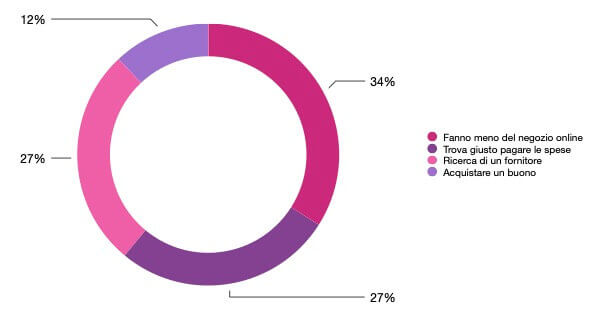
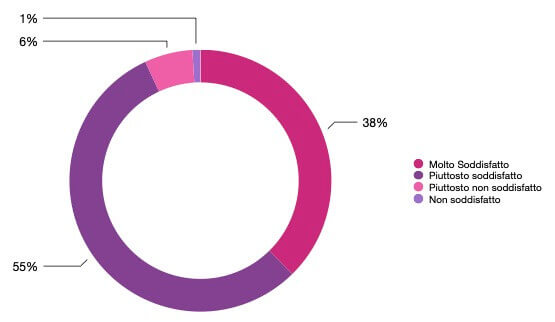
Studies show that for 81% of Swiss shoppers, the right to return goods is a decisive factor when buying online. Being able to return unsuitable products offers reassurance and builds trust in the business. For your online store, this means that a flexible, customer-focused returns policy is essential. Offering free return shipping will certainly encourage people to buy from you. However, it's important to consider the extra costs and the potential impact on profit margins. A balanced approach, for example with conditions such as a minimum order value or limiting free returns to certain product categories, can be a sensible choice.
Create clearly defined returns conditions
Make sure information about your returns policy is easy to find on your website. You can place it somewhere clearly visible, such as in the footer, in the FAQ section or directly on product pages. Using clear, simple language will help avoid misunderstandings. Answer important questions such as:
1. What is the time window within which a return can be made?
2. Is return shipping free, or are there costs involved?
3. What condition must products be in to be accepted for return?
4. Do you offer a refund, an exchange or store credit?
5. How long will the refund take?
6. Is customer support available for questions or problems?
Make the returns process as simple as possible
Your customers will see the whole shopping experience more positively, and will be happy to buy from you again, if returning goods takes less effort and time. Here are some aspects that simplify the process:
- Automation and digitalisation: use technology to automate the returns process. For example, you could use a simple online form where customers register their returns, or offer the option to print return labels directly.
- Clear instructions: make sure you provide detailed instructions for returns, from filling in the returns form to packaging and shipping the item. It's important that customers are guided step by step to avoid mistakes or confusion.
- Accessible customer support: make sure customers can get quick support if they have questions or doubts. Customer support that's easy to reach by phone, email or live chat will earn you valuable points.
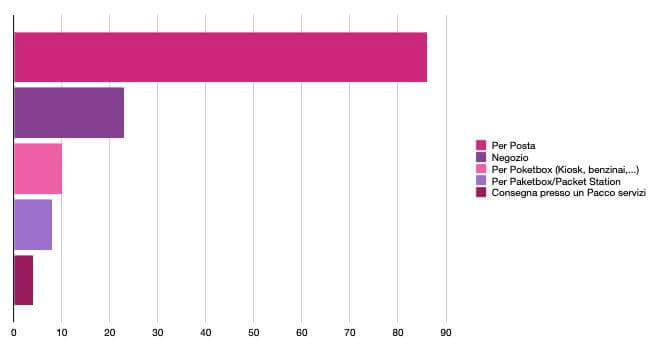
- Flexible return options: offer several return options, such as the ability to return an item at a local shop or post office. This gives your customers more flexibility and convenience in managing their returns.
- Transparent communication: keep customers informed about the status of their return. Automatic updates can be very helpful here, so customers always know where their return stands.
Use returns to improve your business
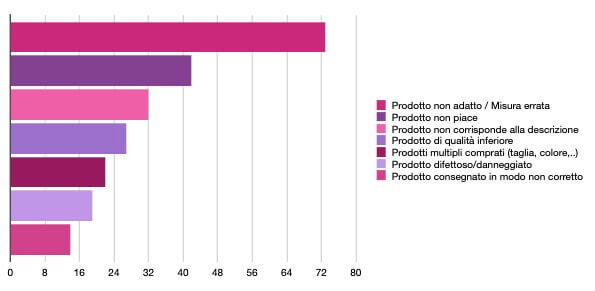
Handling returns can initially seem like a downside: it takes time and money. However, if managed properly, returns handling can offer a valuable opportunity to improve your offering and your processes. The key is to carefully analyse the causes of returns and gather feedback from your customers.
By assessing the feedback, you'll be able to spot patterns and take the right action. This could include improvements to the products themselves, more precise descriptions or better packaging. It's important to check regularly how effective these measures are and keep adjusting them. This way, your online store will become a customer-focused business in constant growth.
Reducing return rates
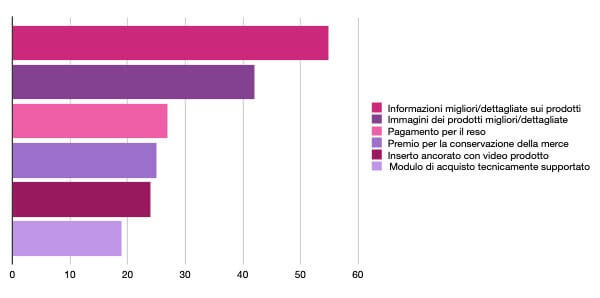
Although returns are a crucial source of information for your business, the main goal is of course to keep the number of returns to a minimum. One effective way to achieve this is to provide as much complete, detailed product information as possible. High-quality photos and videos showing the product from different angles and in use give a more accurate picture of it.
It's also important to round out product descriptions with detailed information on the materials used, care instructions, possible uses or sizing advice for clothing. Customer reviews play a key role here. Another crucial aspect is giving customers the option to ask questions directly on the product page. This builds additional trust and helps dispel any doubts before a purchase.
The shopping experience is at the heart of everything
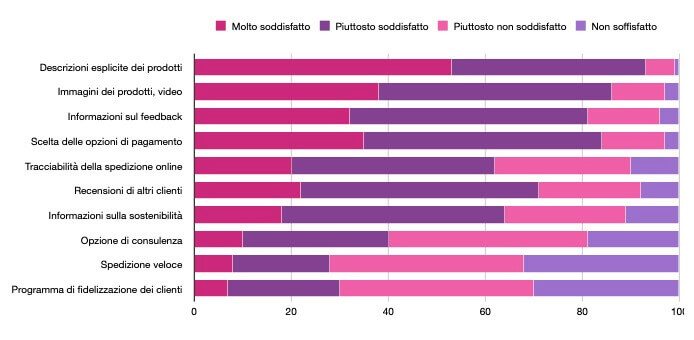
What follows doesn't apply only to returns, but to e-commerce in general: the more easily customers can find their way around your online store, the better their shopping experience will be, and the more likely they are to come back. Intuitive navigation, fast loading times and a smooth checkout process are just a few examples of how you can improve the shopping experience.
The shopping experience is at the heart of everything
Effective returns and refunds management improves the customer experience and trust in your online store. Clear processes, transparent communication and the right tools help reduce costs, simplify internal work and turn even a return request into an opportunity to build loyalty.
With the right digital solutions and a structured approach, returns and refunds can become an integral part of an efficient, growth-oriented e-commerce business. If you'd like to optimise these processes or integrate them better into your online platform, get in touch: we can set up and manage the returns process on your platform.