How to reduce abandoned carts in your online shop: figures, techniques and tools
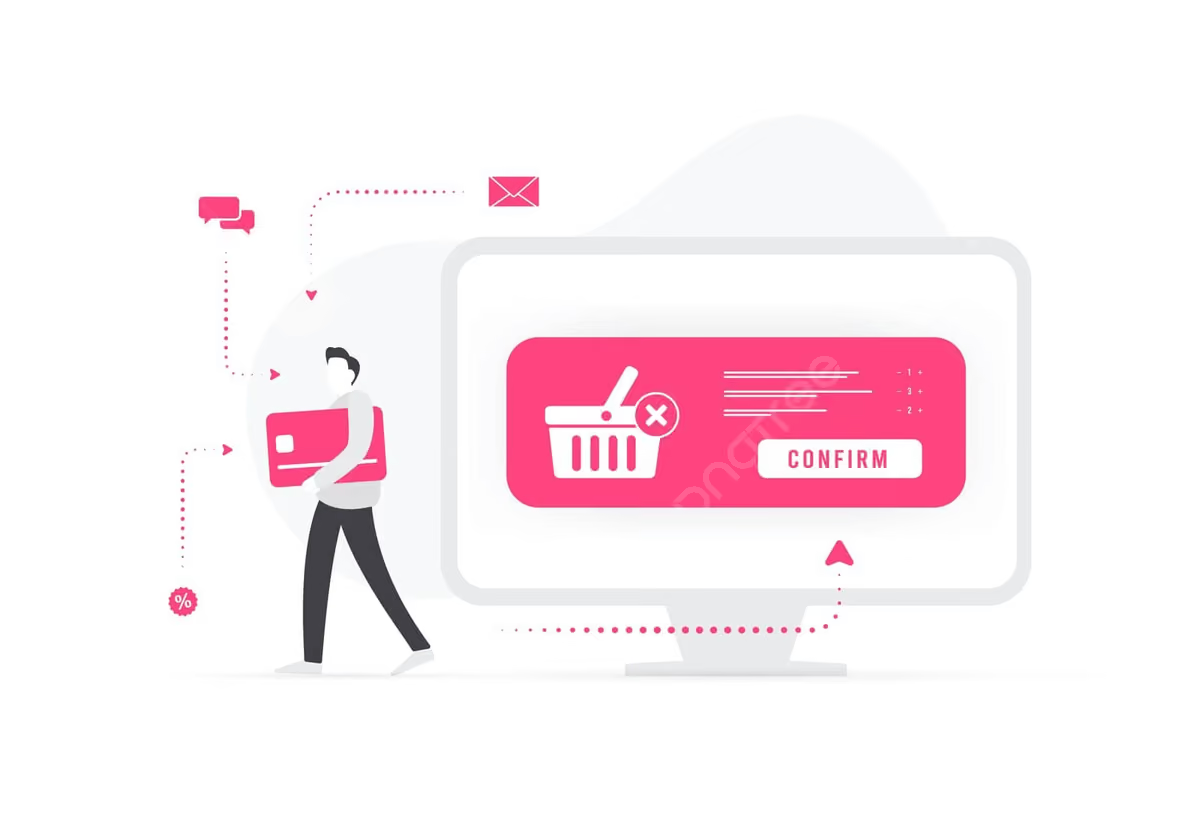
Abandoned carts are one of the most common and most costly problems for any e-commerce business. Even in Switzerland, where online retail keeps growing, the average cart abandonment rate remains high: between 65% and 80% according to international studies and internal analyses from the retail sector.
In other words: for every 10 customers who add a product to their cart, only 2 or 3 complete the purchase.
Reducing this by even 10–20% can bring an immediate rise in revenue without spending more on advertising. Here you will find the main reasons for abandonment, the most effective techniques for reducing it and the tools every online shop should put in place in 2026.
Why do customers abandon their carts? The figures are clear
There are many reasons, but some come up especially often:
Unexpected costs at the end (especially shipping)
By far the number one cause.
If customers find out at the end that they have to pay CHF 12 for shipping… they leave.
Checkout too long
If a user has to fill in 15 fields, create an account, confirm an email address and password… goodbye.
Missing payment methods
In Switzerland you need at least:
- TWINT
- Credit/debit cards
- PostFinance (for some sectors)
- PayPal (not essential, but useful)
Slow site or not optimised for smartphones
Over 70% of shopping happens on mobile.
Low trust
Missing:
- reviews
- security seals
- information on returns and guarantees
- a company that is not transparent
Simple distraction
Many users add a product to their cart but do not finish because they get interrupted or decide to think it over.
The goal? Remove these obstacles and win back those who leave.
Effective techniques for reducing abandoned carts
Keep costs transparent from the start
Show shipping, taxes and additional costs on the product page or with an automatic calculator.
Transparency builds trust and reduces abandonment at checkout.
Offer a quick checkout (one-page or express checkout)
A one-page checkout is now the solution preferred by the big e-commerce players.
Even better:
Apple Pay, Google Pay, PayPal Express, instant TWINT QR.
The faster the process, the more users buy.
Do not force people to register
Give them the option to:
- buy as a guest
- register after the purchase (not before)
This can reduce abandonment by up to 30%.
Optimise the site for mobile
In 2026 a checkout that is slow or not responsive is unacceptable.
Recommended tests:
- Google PageSpeed
- Lighthouse
- WooCommerce or Shopify mobile test
Every extra second of waiting reduces conversions.
Build trust
Add:
- genuine reviews
- security badges
- clear returns policies
- well-structured FAQs
- detailed company information
Trust is a crucial factor, especially when customers are buying from a shop they do not know.
Simplify the cart
Use a clear cart with nothing to distract.
Remove:
- intrusive pop-ups
- oversized banners
- links that take the user out of the checkout
Use automatic reminders to recover carts
Tools such as:
- WooCommerce Abandoned Cart
- Klaviyo
- Mailchimp
- Shopify Flow
- SMS notifications
Recovering even 10% of abandoned carts can be worth thousands of francs to an SME.
Smart incentives (without selling yourself short)
There is no need for crazy discounts. Even small levers work:
- free shipping above a certain threshold
- 5% off for those who complete the checkout within 24 hours
- small free gifts for carts above a certain amount
Useful plugins and tools for preventing and recovering abandoned carts
WooCommerce
- WooCommerce Blocks + native Checkout
- CartFlows (for optimised funnels)
- Klaviyo for email and SMS
- Improved Woo Checkout
Shopify
- Built-in Abandoned Checkout
- Klaviyo
- UpCart
- ShopPay (very high conversion in Switzerland)
Analytics tools
- Google Analytics 4
- Hotjar / Microsoft Clarity
- WooCommerce or Shopify reports
- Checkout step tracking
With these tools you can see where customers get stuck.
Payment methods optimised for Switzerland
Many companies lose sales because they do not offer TWINT or an affordable gateway.
Recommended:
The easy4you approach to increasing conversions and sales
When we build or optimise an e-commerce site, the first things we analyse are:
- site speed
- user experience
- abandonment rate
- checkout
- payment methods
- recovery emails
- marketing strategy
Our aim is simple: increase conversions and keep lost sales to a minimum.
Many SMEs find that there is no need to increase their advertising budget: optimising the buying process is enough to increase profits.
Conclusion
An abandoned cart is a sign that your e-commerce site can improve, and in many cases it can be avoided. With a clear strategy, an optimised checkout and modern tools, you can recover a significant share of lost sales.
Want to improve your online shop's performance and reduce abandoned carts? Write to us: we will look at your e-commerce site free of charge and tell you where it makes sense to start.