How to write meta titles for Google: the guide for businesses
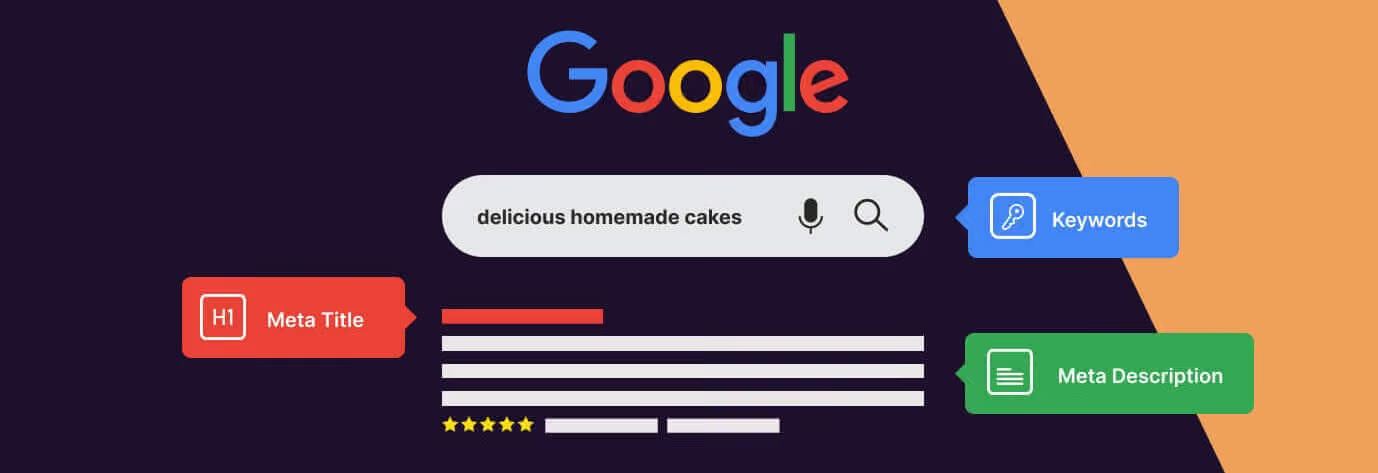
The meta title is one of the most important elements for optimising your online presence and improving your ranking on Google. Although it's often overlooked, this element plays a crucial role in attracting traffic to your website. A well-written meta title helps search engines understand the content of the page and encourages users to click on your result instead of a competitor's.
What is a meta title?
The meta title, also known as the SEO title, is the title that appears in Google's search results (and other search engines) and in browser tabs. It's different from the visible title on the page, even though it can be similar.
Here's where you can find a meta title:
- On the Google results page, as clickable blue text.
- In the browser's title bar.
- When a link is shared on social media, it's often the title that's shown.
The meta title matters for two main reasons:
- SEO: search engines use the title to understand the page's content and decide its ranking.
- User experience: users see the meta title in the search results and decide whether or not to click on your link.
Why is the meta title important for Google?
The meta title is one of the most relevant on-page SEO factors. Google uses meta titles to determine a page's relevance to a search query. A well-written title can improve your website's ranking, making it more visible to users. Conversely, a poorly optimised title can harm your position and reduce the number of visitors.
A persuasive meta title can also increase the click-through rate (CTR), meaning the number of people who click on your website compared with those who see your link in the search results. The higher the CTR, the better your chances of achieving a good ranking on Google.
How to write effective meta titles for Google
Some principles for writing meta titles that work for Google and for people searching.
1. Include relevant keywords
The meta title should include your main keyword, meaning the term that best describes the page's content and the one you want to rank for. Google uses the keywords in the title to understand what the page is about and match it to relevant searches.
- Example: if you have a page about "running shoes", the title could be: "The Best Running Shoes for 2024 – Buying Guide".
However, avoid keyword stuffing (packing the title with too many keywords), as this can harm your SEO and reduce the title's effectiveness.
2. Keep the meta title within 60 characters
Google usually shows only the first 50-60 characters of the meta title in search results. If your title is longer, it will be truncated, which could stop users from seeing the full message.
- Tip: keep your titles within 55 characters to be safe, so the whole title is visible on both desktop and mobile.
3. Make the title clear and descriptive
The title should clearly explain what the page is about. Avoid vague or overly generic titles. Your meta title should give a precise, immediate idea of the content the user will find after clicking.
- Example: instead of "Home Services", you could write "Plumbing and Electrical Repair Services for the Home in Milan".
A clear title catches users' attention more easily, improving CTR.
4. Add a differentiating factor
Besides the keyword, include a unique element that sets your page apart from the competition. This could be a competitive advantage, a promise or a call to action (CTA) that grabs attention.
- Example: "Running Shoes on Sale – Free Shipping and Easy Returns".
By including an element that speaks directly to the user's need, you increase the chances they'll click on your link.
5. Use a persuasive tone
A meta title is read by people too, not just by Google. Write it in a persuasive, engaging way, as you would an advertising headline. Using adjectives like "best", "complete" or "definitive guide" can make the title more appealing to someone searching for a specific solution.
- Example: "The Complete Guide to the Best CRM Solutions for Small Businesses".
6. Avoid duplicate titles
Every page on your website should have a unique meta title. If several pages share the same title, Google may not know which one to show for a given query, leading to a worse ranking. Users may also fail to understand the difference between the duplicated pages.
- Tip: use titles that accurately reflect the content of each page.
7. Include the brand name (when appropriate)
If you have a well-known brand or are building your brand, consider including your company name in the meta title, especially for your most important pages (such as the homepage or product pages).
- Example: "The Best Running Shoes | Nike".
However, avoid including it if it compromises the title's length or clarity.
Mistakes to avoid with meta titles
Despite the good practices listed above, there are also some common mistakes that can harm your meta titles. Avoid:
- Generic titles: a generic or overly vague title gives no useful information to the user or to search engines.
- Titles that are too long: as already mentioned, if the title exceeds 60 characters it risks being cut off, reducing its impact.
- Keyword overload: using too many keywords can make the title look forced and confuse both Google and the user.
- Duplicates: avoid duplicate titles across different pages on your website, to avoid the risk of penalties or confusing users.
Conclusion
Writing effective meta titles is a combination of technical SEO and persuasive copywriting. If you follow the best practices listed above, you can improve your pages' ranking on Google, attract more clicks and increase traffic to your website. Remember that meta titles are a fundamental element of any SEO strategy and shouldn't be overlooked.
Choose relevant keywords, be specific, keep titles short and engaging, and you'll see positive results in the long run.