Digitalisation: six benefits for your small or medium-sized business
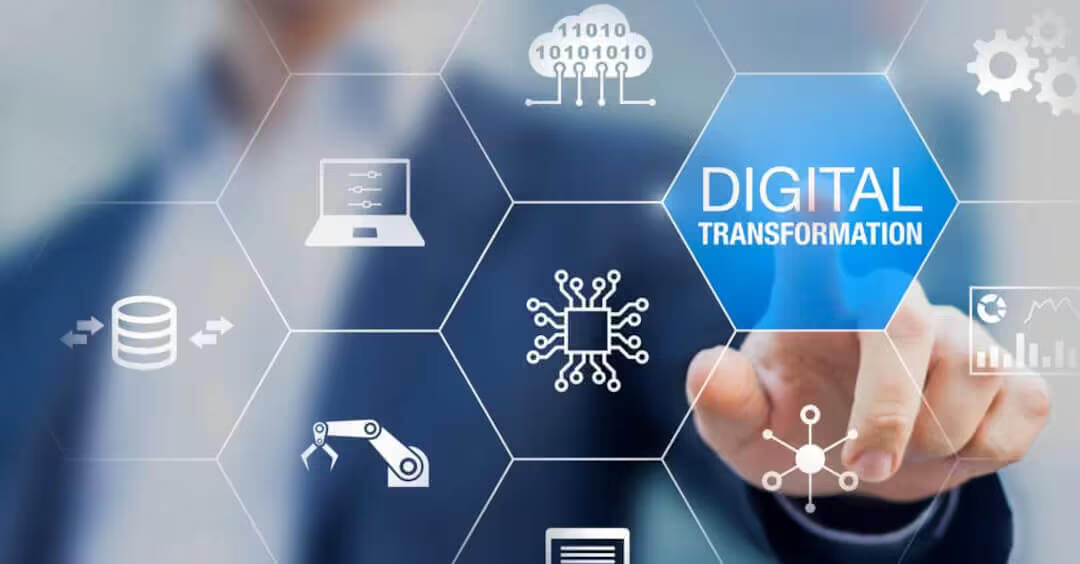
Digitalisation is currently changing the way we work in every sector, and it requires businesses to rethink their approach. Yet, especially in small businesses or in sectors that seem less inclined towards digital tools, managers often choose the safe route and rely on tried and tested processes and methods. Digitalisation offers opportunities that were unknown until now, particularly for SMEs.
What is more, developing new business models and areas of activity allows small businesses to stand out from the competition in an increasingly global market. But even automating business processes on its own brings considerable advantages. Digitalisation simplifies day-to-day work by restructuring and improving processes and moving the business forward.
Staying competitive means adapting to change, and today a large part of that change comes through digital. Only then will it be possible to spot new trends early and respond to them.
That said, not every business has to digitalise all of its processes and departments. It is important to think carefully about which areas the business should focus on for the future. You need to work out where digitalisation makes sense for reaching the goals you have set.
Staying competitive
For a hairdresser, for example, switching to digital accounting and online bookings might be enough, while for a tradesperson digital payroll might be more useful to save time. In retail, on the other hand, an online shop or a flexible POS system could pay off, given that more and more people prefer to shop online. Often these changes only require small adjustments.
Cutting costs
Digitalisation offers considerable opportunities to save money, especially in accounting. A paperless office reduces the materials you need, which saves both resources and money. Invoices no longer need to be printed, so you save on paper and printers and no longer have to archive mountains of files. In addition, accounting and payroll software takes over much of the work automatically, which relieves employees and lets them use their time elsewhere, and this also saves money in the long run.
Digital systems allow better planning and management of resources such as materials, inventory and labour, which leads to greater efficiency.
Improving productivity
Handling paper-based information used to take up around 40% of working time, between creating, filing and searching. With digital accounting, receipts and data are assigned automatically and stored in the software, which makes the process much simpler. In other words, keeping track of everything has become extremely easy. Current data is available with a click of the mouse, which speeds up many work processes.
Digitalisation also allows better decision-making through the analysis of large amounts of data. Analytics tools let businesses make informed decisions based on facts and trends rather than guesswork or gut feeling.
Essentially, automated workflows allow faster processing times, and digital use of data speeds up approval processes. Requests are completed in a very short time and the data you need is readily available. These efficiency gains let employees spend more time on their core work, their families or other personal interests.
Increasing interaction and strengthening customer loyalty
Through digital channels, SMEs can interact directly with their customers and offer them personalised promotions. This leads to greater customer loyalty and allows businesses to better meet the needs and wishes of their clientele.
In addition, with a digital CRM system, every employee who needs it can instantly access all the key information about customers. Are they regular customers? Is there an incomplete purchase to build on? Which products have they bought so far?
The resulting faster response times have a positive effect on support, orders and the customisations customers ask for, which gives customers real value and the business an important competitive edge. The information gathered in the CRM can also be used to optimise marketing and communication activities.
Extending your reach
Reviews of products, services and companies are among the information consumers look for most. They can be turned into a competitive advantage. Social media, Google, online marketplaces, sharing platforms and review portals are useful tools for building a positive image that customers can rely on. They also help you find opportunities to attract new customers through wider access to the market.
Digital transformation allows small and medium-sized businesses to expand their online presence and offer their products and services to a wide range of customers over the internet. With online solutions, you can reach customers easily and extend your market beyond your local area, across Switzerland and abroad.
Increasing flexibility
Digitalisation gives SMEs the ability to adapt quickly to changing market conditions and adjust their business accordingly, which means greater flexibility. With cloud computing services and Software-as-a-Service (SaaS) solutions, your business can easily expand its IT infrastructure without large upfront investments. This lets you use resources as needed and respond quickly to new business opportunities.
Digitalisation also makes it possible to introduce more flexible ways of working, such as remote working and flexible hours, which increase employee satisfaction and productivity and reduce operating costs.
Conclusion
Digitalisation has become a lever for businesses that want to grow. Its benefits, from efficiency to lower costs and from internal collaboration to customer service, end up changing the way the whole business works.
Adopting digital solutions means simplifying everyday tasks, freeing up valuable resources and creating the conditions for faster, data-based decisions. The advantages of digitalisation translate into higher productivity, more satisfied customers and the ability to adapt nimbly to changes in the market.
If you would like support with the digital transformation of your business, get in touch: we can help you analyse your processes, choose the right tools and put them into practice.