Green business: how small digital habits (email, cloud, remote working) cut CO₂

Making a business greener is not only about large infrastructure projects or investments running into the millions. Often it is the small everyday habits that count most. As digitalisation advances, Swiss companies now have simple, affordable tools that let them reduce their environmental impact in practical ways while also optimising their operating costs.
Email instead of paper, cloud storage instead of in-house servers, remote working to cut down on travel: each of these steps helps reduce CO₂ emissions and makes the business more sustainable.
Email and digital documents: less paper, more efficiency
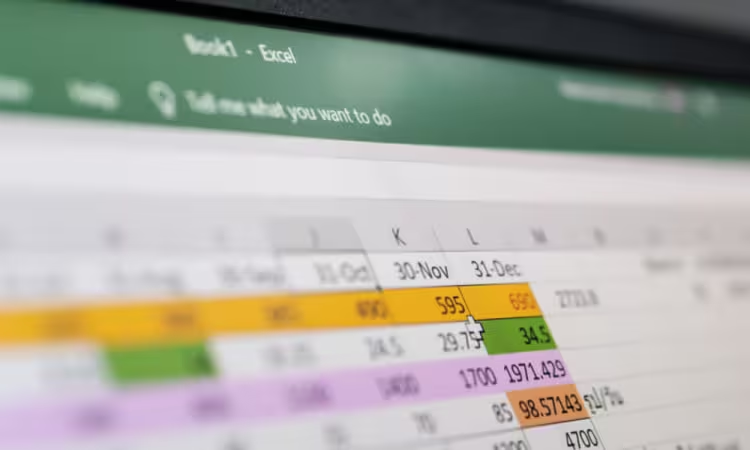
It may seem obvious, but gradually phasing out paper remains one of the most effective measures. Every company handles hundreds of communications a month: contracts, invoices, business letters. Converting them to digital formats makes it possible to:
- avoid felling trees to produce paper;
- use less ink and reduce printing costs;
- cut the emissions caused by postal logistics;
- find and share documents more quickly.
A practical example: an SME that digitises 5,000 documents a year can save hundreds of euros on paper, toner and postage, as well as cutting tonnes of CO₂ generated by the whole paper supply chain.
Sustainable cloud: less energy, more security
Many companies still keep their data and software on local servers, which need a continuous supply of electricity and constant maintenance. Moving your infrastructure to the cloud brings environmental and operational benefits:
- optimised data centres with efficient cooling systems;
- power that increasingly comes from renewable energy;
- less physical equipment on the company's premises, and less electricity used to run it;
- the ability to scale resources without waste.
Remote working and sustainable mobility
Remote working is one of the digital habits with the greatest ecological impact. Letting employees work from home even just two days a week means:
- hundreds fewer journeys a year, and therefore less traffic and smog;
- less need for large, expensive offices that have to be heated and cooled;
- a better work-life balance for staff.
If an SME with 20 people cuts commuting by 40%, it can reduce its emissions by several tonnes of CO₂ in a single year. Some companies go further, encouraging the use of public transport or company bikes.
The power of small habits
Taken one by one, these habits might seem insignificant. Added together, though, everyday digital actions have a considerable impact: less paper, less energy, less travel. All of this leads directly to lower emissions and measurable savings.
Sustainability thus also becomes a business decision: companies that adopt green practices are more attractive to customers, improve their reputation and align themselves with the climate targets of the Swiss Confederation.
easy4you: digitalisation and green business together
At easy4you we support Swiss SMEs on their path to sustainable digitalisation, offering practical solutions that combine technology with respect for the environment:
- online collaboration systems to reduce travel;
- advice and support for migrating to the cloud;
- digital document management to eliminate paper;
- tools that make remote working and shared coworking easier.
We also help companies train their employees, because sustainability depends as much on people's working habits as on the tools they use.
Conclusion
Adopting green practices does not mean changing everything: you start with small digital habits. Email instead of paper, the cloud instead of local servers, remote working instead of daily commuting: simple choices that add up to a real difference.
And with the support of partners such as easy4you, any SME can set out towards a future that is more digital, more efficient and, above all, more sustainable.