Cybersecurity for SMEs: protecting business data in 2026
In 2026 cybersecurity concerns every company, including Swiss SMEs, which are increasingly the target of cyber attacks. Protecting business data means defending yourself against attacks and meeting legal obligations such as the nFADP (the Swiss Federal Act on Data Protection) and the European GDPR, safeguarding clients, partners and the continuity of the business itself.
The most common threats for SMEs
Many small and medium-sized businesses believe they are not an interesting target, but the figures show the opposite: hackers go precisely for the least protected companies. The most widespread threats in 2026 are:
- Phishing and social engineering: deceptive emails or messages that trick employees into clicking malicious links or revealing sensitive data.
- Ransomware: malware that locks a company's data and demands a ransom to release it.
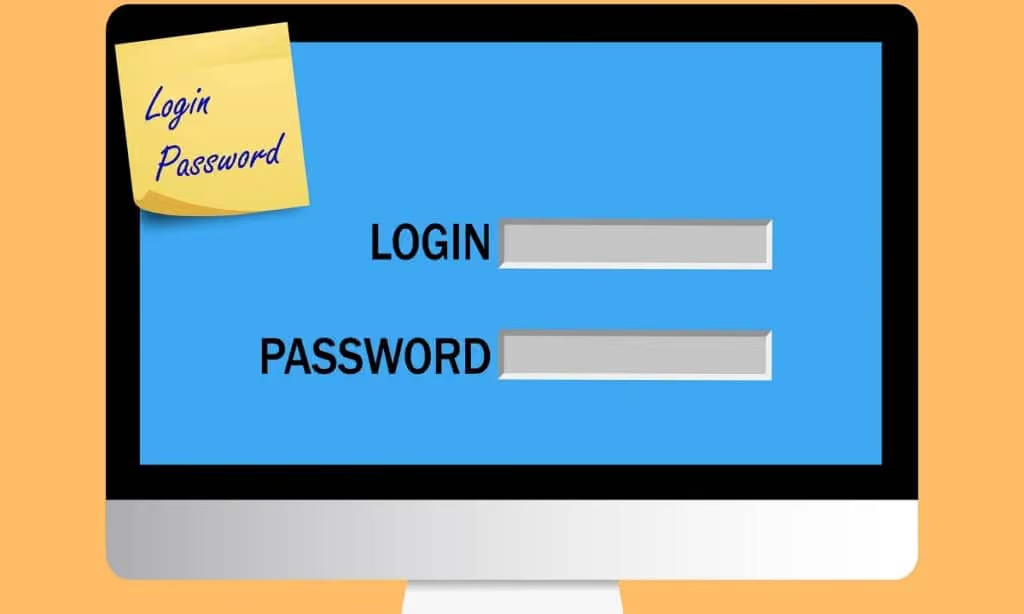
- Unauthorised access: weak or outdated passwords that let hackers into systems.
- Loss or theft of company devices: laptops and smartphones hold valuable information which, if not encrypted, can fall into the wrong hands.
- DDoS attacks: temporary outages of websites or online platforms, directly harming sales and reputation.
Legal obligations in Switzerland: nFADP and GDPR
The new nFADP (Federal Act on Data Protection) has been in force in Switzerland since 1 September 2023. SMEs must:
- Inform clients transparently about how their data is processed.
- Store data securely, preventing unauthorised access.
- Report any data protection breaches.
If the company does business with the European Union, it must also comply with the GDPR, which sets even stricter rules on consent, data transfers and the right to be forgotten.
The penalties for failing to comply can be very severe, both financially and in terms of reputation.
Practical solutions for digital security
Installing antivirus software is not enough to protect business data: you need a comprehensive approach. Some essential good practices:
- Secure password management: using a password manager and two-factor authentication.
- Regular backups: ideally in a secure cloud and in low-emission data centres (green IT).
- Constant updates: systems and software must always be kept up to date to close security gaps.
- Access controls: not every employee needs access to all information.
- Ongoing training: staff are the first line of defence and must be able to recognise scam attempts or suspicious emails.
The role of easy4you
Many SMEs do not have the in-house skills needed to manage cybersecurity. This is where easy4you comes in, offering practical support to Swiss companies:
- Risk analysis and vulnerability assessment.
- Implementation of secure solutions, from protected cloud services to automated backup systems.
- Compliance management: support in bringing the company into line with the nFADP and the GDPR.
- Ongoing technical support, to monitor and prevent cyber attacks.
Training: cybersecurity courses for employees
Technology alone is not enough: the weak point is often the human factor. That is why easy4you is developing online modules dedicated to cybersecurity training.
From 2026, SMEs will be able to access practical courses for their employees, with lessons on:
- How to recognise a phishing attempt.
- How to handle passwords and sensitive data.
- How to react in the event of an attack or data loss.
An investment in training that drastically reduces risks and makes the whole company more resilient.
Operational measures in practice
The good practices listed above only become real protection when they are turned into specific settings. There are four of them, and none requires an in-house IT department.
Passwords: long, unique and kept in a password manager
A strong password today means at least twelve characters, with upper and lower case letters, numbers and symbols, and above all a different one for each service. Asking people to remember them all does not work: they end up reusing a single one, and that is exactly where most intrusions start. A password manager generates and stores them, so staff only need to remember one, the master password.
Two-factor authentication on everything sensitive
Two-step verification should be switched on for email, business software, cloud services and remote access. It is the layer that holds even when a password has already been stolen: without the second factor, whoever has the password cannot get in. The cost to the company is a few extra seconds at login, compared with completely blocking unauthorised access.
Encrypting data in transit and at rest
The most exposed stage is almost always the transfer, with email at the top of the list. End-to-end encryption protects the content all the way along, between people, devices and archives. Client documents should be stored in encrypted cloud folders, with access rights given only to those who actually use each document, and backed up regularly: encryption protects against reading, backups protect against loss, and you need both.
Devices and access under control
With hybrid working, company data also sits on laptops and smartphones that leave the office. Every device should be protected with a screen lock, an encrypted disk and the option of remote wiping in case of theft. When it comes to access, one principle applies: each person sees what they need to do their job, and the permissions of anyone who leaves the company are revoked the same day.
Conclusion
In 2026 cybersecurity is a daily challenge for every Swiss SME. Growing threats, strict regulations and increasing digitalisation make data protection a central issue. With practical solutions, proper training and the support of partners such as easy4you, any business can defend itself effectively, ensuring continuity, trust and competitiveness.