From physical space to digital: how to transform your shop and increase sales
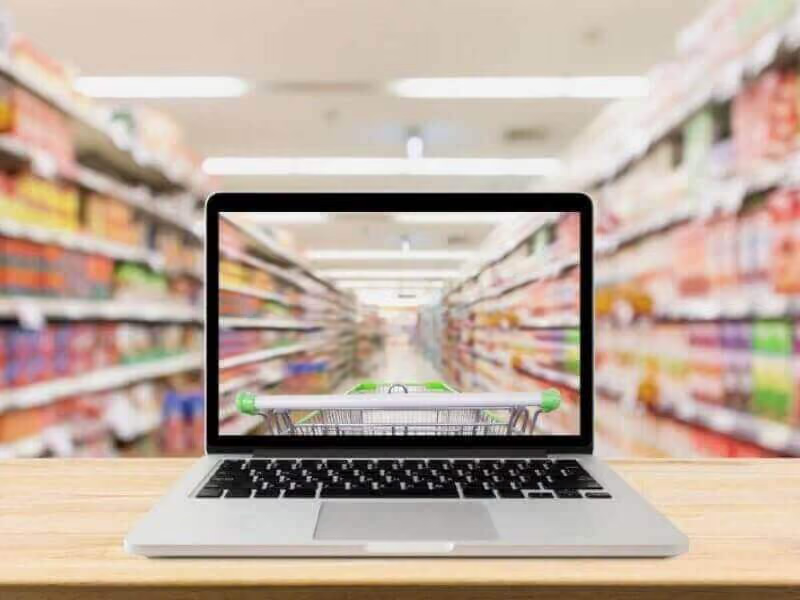
Owning a physical shop offers tangible advantages, such as the chance to interact directly with customers, but it also brings significant costs. High rent, utilities, maintenance and staff are just some of the expenses that can weigh on a company's budget. Turning your physical shop into an online shop makes it possible to cut these costs and reinvest the savings into initiatives that increase sales.
The costs of a physical shop
Running a physical shop requires significant spending, including:
- Rent and utilities: premises in strategic locations require a considerable budget.
- Maintenance: periodic refurbishment, repairs and decoration.
- Staff: salaries, training and managing an on-site team.
- Local marketing: traditional advertising and promotions aimed at foot traffic.
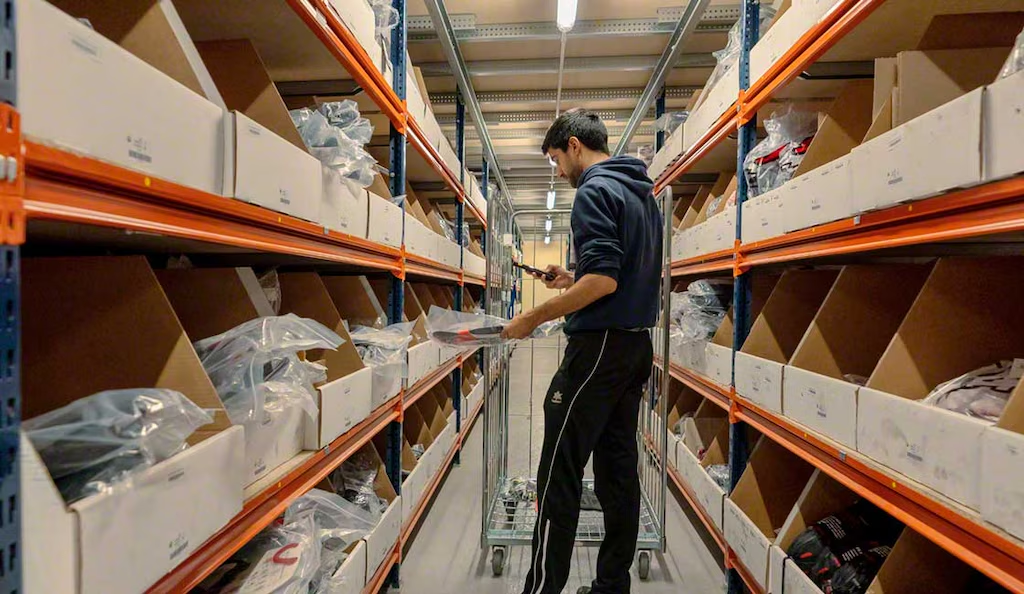
- Stock: space to store products available in the shop.
These costs, while necessary, limit the ability to expand, especially in a context where online competition is getting stronger all the time.
Turning a physical shop into an e-commerce business
Moving to online commerce lets you redirect part of the resources spent on the physical shop towards more targeted, strategic activities. In concrete terms:
1. Lower fixed costs
Eliminating or reducing the costs linked to physical premises means being able to invest in a professional website, hosting and digital strategies. Fixed costs become variable, with the ability to scale easily depending on sales.
2. Expanding your customer base
With an e-commerce business, you're no longer limited to local customers. You can reach customers nationally and internationally, widening your market and increasing sales opportunities.
3. Targeted digital marketing
The money saved can be used for online marketing campaigns on Google, social media or email. These tools make it possible to target customers precisely, improving return on investment.
4. Optimised stock management
An online shop makes it possible to adopt flexible models such as dropshipping, reducing the need for large storage spaces.
5. Unlimited selling hours
An e-commerce site is always open, letting customers buy at any hour of the day or night, thereby increasing sales volume.
How to start the digital transformation
The transition from a physical shop to an online shop requires careful planning. The main steps:
- Analyse your customers: understand who your current customers are and what they're looking for. This will help you define your online strategy.
- Create a professional e-commerce site: invest in a reliable, easy-to-navigate platform with secure payment options.
- Photograph your products: high-quality images are essential for attracting customers.
- Optimise logistics: work with reliable partners for shipping management.
- Plan your digital marketing: use SEO, social media and advertising campaigns to increase your shop's visibility.
Investing in strategic areas
The money saved from running a physical shop can be reinvested in:
- Online advertising campaigns: to attract more customers to your site.
- Improving the user experience: creating a fast, mobile-friendly site that's easy to navigate.
- After-sales services: providing excellent assistance and support to build customer loyalty.
- Innovation: testing new product lines or introducing digital services such as courses or consultancy.
Conclusion
Moving from a physical shop to an online one is a strategic decision that can transform your business. By cutting the costs linked to a physical presence and reinvesting in digital marketing, technology and logistics, you can keep your current customers and win new ones.
Want to start this transformation? Trust easy4you.cloud to build your e-commerce site and decide how to promote it. Contact us now to find out how we can help your business grow!