Business management software: why Excel is no longer enough for Swiss SMEs
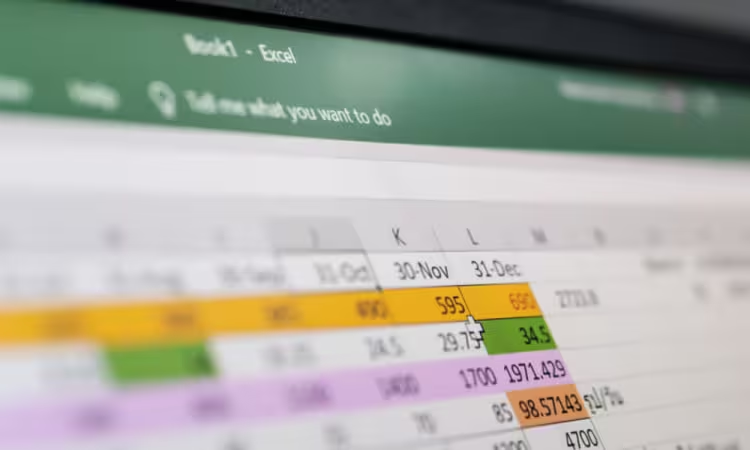
For many years, Excel has been the go-to tool for business management. Affordable, flexible and seemingly simple, it's still used today by many Swiss SMEs to manage accounting, customers, projects and even staff.
However, as a business grows and operational complexity increases, Excel shows all its limitations.
In 2026, relying solely on spreadsheets is no longer sustainable for a business that wants to grow in a structured, secure and efficient way.
The limits of Excel for SMEs
Manual errors
Excel is a manual tool: one wrong formula, one deleted cell or one incorrect copy-and-paste is enough to compromise important data.
In SMEs, these errors can lead to:
- incorrect invoices
- unreliable financial data
- decisions based on wrong numbers
Versioning problems
One of the most frequent problems is versioning:
- "final_file.xlsx"
- "final_file_v2.xlsx"
- "final_file_definitely_final.xlsx"
When several people work on the same files, it becomes impossible to know which version is the correct one. This slows down work and increases the risk of errors.
Insufficient security
Excel isn't designed to manage:
- advanced permissions
- change tracking
- differentiated access
In a regulatory context like Switzerland's, where the nFADP requires the protection of personal and business data, Excel represents a real risk.
When it's time to switch to management software
Many SMEs ask themselves: "Are we big enough for management software?"
In reality, the right question is: "Can we afford to keep going without it?"
Clear signs that Excel is no longer enough:
- several people work on the same data
- you need real-time, up-to-date reports
- accounting takes too much time
- customer management is fragmented
- administrative errors are increasing
When staying in control becomes difficult, it's time to make the leap.
What modern management software offers
Management software centralises business information and automates many processes that, with Excel, require time and manual attention.
ERP – Enterprise Resource Planning
An ERP system lets you manage:
- invoicing
- purchasing and sales
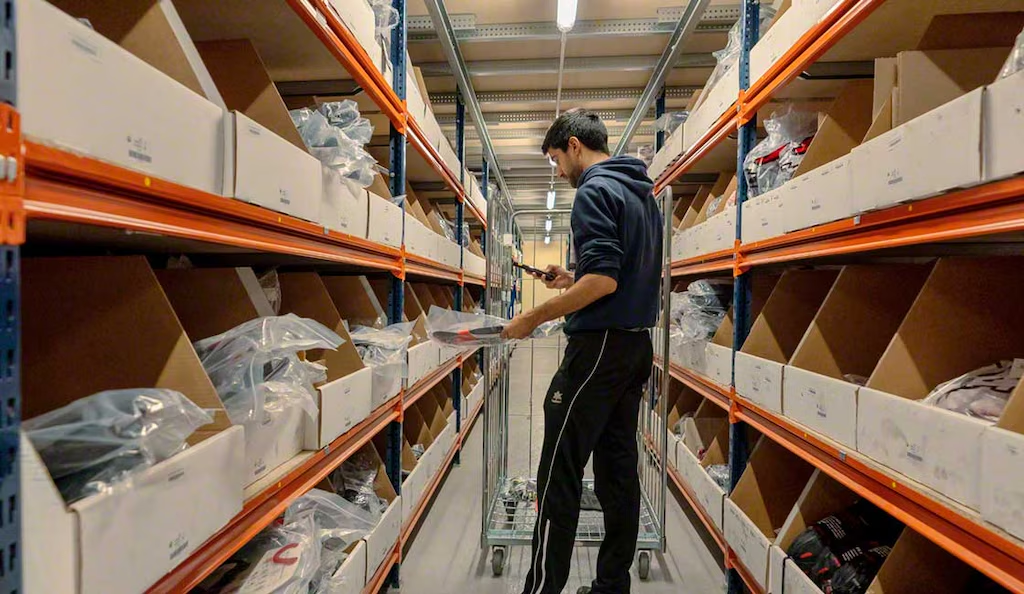
- inventory
- projects
- financial flows
All in a single system, with data that's always up to date and consistent.
CRM – Customer Relationship Management
CRM is essential for:
- managing customers and contacts
- tracking quotes and opportunities
- improving sales follow-up
- increasing sales
With Excel, this information is often scattered and incomplete.
Accounting and administration
Modern management software lets you:
- automate accounting entries
- connect banking and payments
- manage VAT and deadlines
- reduce manual work
The result is less time wasted and fewer errors.
Security and compliance: a crucial aspect
Unlike spreadsheets, management software offers:
- role-based access control
- change tracking
- automatic backups
- data protection
This is essential for complying with the nFADP and ensuring the business's operational continuity.
Excel or management software? A question of efficiency
Excel remains a useful tool for specific analyses or simulations, but it shouldn't be the core of the business system.
Continuing to use it as the main management tool means:
- slowing down processes
- increasing risks
- limiting growth
Management software pays for itself through the time it saves and the control it gives you over your numbers.
How easy4you helps you choose the right management software
One of the most common mistakes is choosing management software that's too complex, or, on the other hand, too limited.
easy4you supports Swiss SMEs in choosing and implementing the most suitable management software, based on:
- the size of the business
- the sector
- internal processes
- growth objectives
We don't propose standard solutions; instead, we analyse your actual needs to avoid waste and ensure the software is effectively adopted by your team.
Conclusion
Excel has had its day as the central tool for business management.
For Swiss SMEs that want to grow, reduce errors and work in a more secure and efficient way, switching to management software is a natural and necessary step.
Do you want to understand whether Excel is limiting your business's growth, or whether it's time to switch to management software?
Contact easy4you for a free appointment: we'll look together at how you work today and tell you whether switching is worth it.